
Horror Beats: Scary Music
TSAComMusic
4.020.00 Reviews
- Version
- 0.3.3
- Installs
- 1.00M
- Age Rating
- Teen
Screenshots
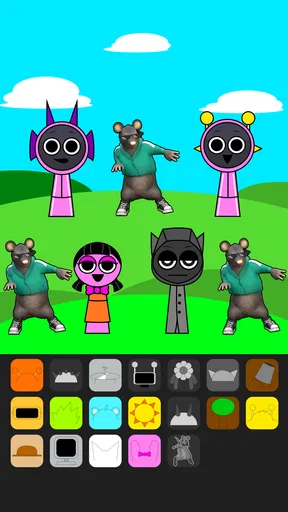
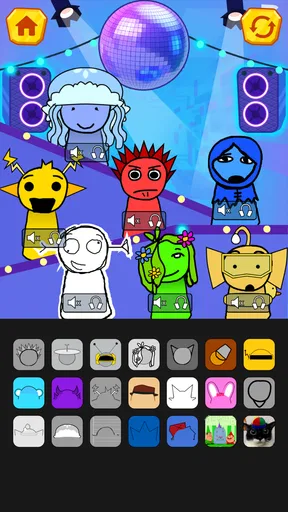
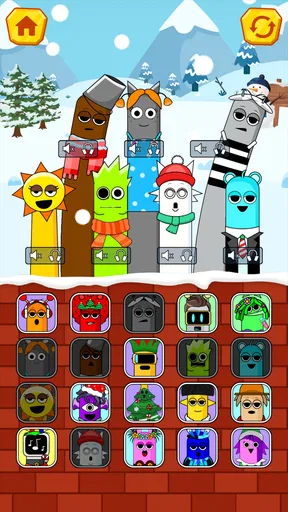
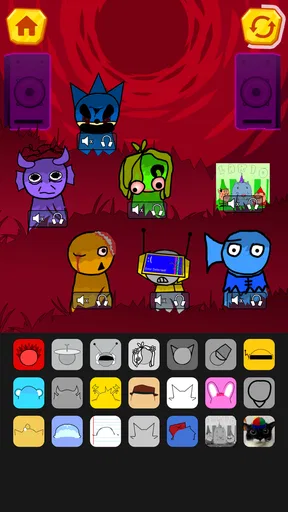
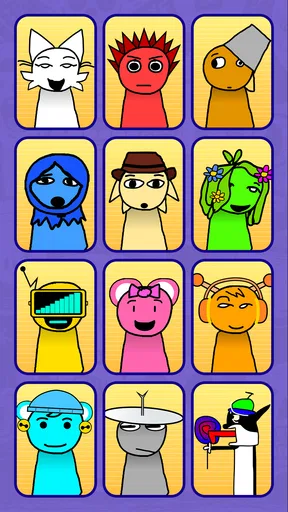
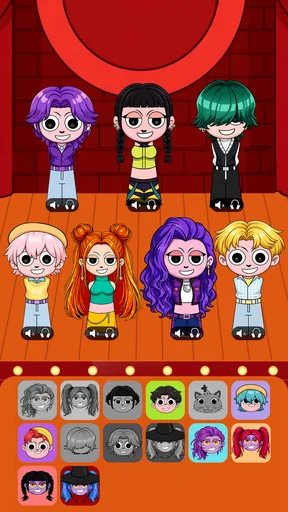
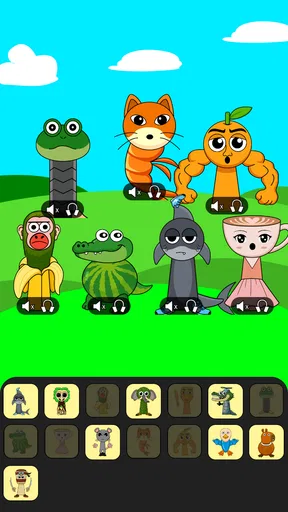
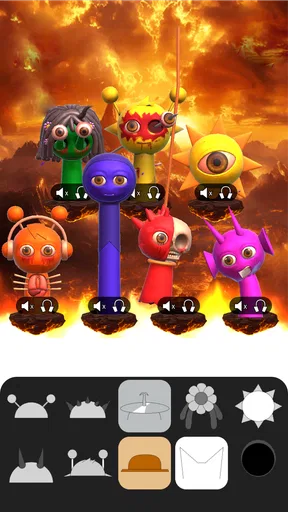
Our Review of Horror Beats: Scary Music
 Analysis by Appyee
I approached Horror Beats: Scary Music expecting a quick music game with a darker mood, and that is exactly where it makes sense. Developed by TSACom, it turns beat mixing into a playful horror-themed activity rather than a serious music-production tool. The appeal is immediate: you experiment, listen, adjust, and try to create a combination that feels like your own creepy soundtrack.
That distinction matters before you install it. This is not a replacement for a digital audio workstation, a rhythm-training course, or a full beat-making studio. I see it as a casual creative game for short sessions, especially when I want something interactive that sits between listening to music and playing a simple mobile game. The free entry point makes it easy to test, while optional purchases ranging from $4.99 to $14.99 per item may matter if you decide to spend more time with it.
What the first session feels like
The central idea is easier to understand by using it than by reading about it. You work with funky beats and horror-styled sound elements, then combine them into a remix. The fun comes from hearing how the parts change the atmosphere when they are placed together. A rhythm that feels playful on its own can take on a more unsettling character when surrounded by darker sounds.
I would describe the experience as musical experimentation with game-like feedback. You do not need to know music theory to begin, and you do not need to arrive with a finished idea. In fact, the best first approach is to treat the opening session like a sketchbook. Try a combination, listen for the strongest moment, remove anything that makes the mix feel crowded, and then build again.
The horror theme gives the game a clearer identity than a plain beat mixer. It is not simply asking me to arrange anonymous loops; it encourages a mood. That makes it suitable for players who enjoy spooky aesthetics, Halloween-style sound design, or playful suspense. It may be less attractive if you prefer realistic instruments, calm ambient music, or precise control over every musical detail.
The game is rated Teen, so I would not automatically hand it to a young child just because the controls are approachable. The darker presentation is part of the experience, and parents should consider whether that tone suits the player. For older children, teenagers, and adults who enjoy horror-flavored entertainment, the atmosphere is likely to be more inviting than intimidating.
Its audience is already fairly broad. The game has passed one million installs and holds an average rating of 4.0 from around two and a half thousand ratings. I would read that as a sign of a recognizable casual concept rather than proof that it will satisfy every music-game fan. The rating suggests a generally positive reception, but the experience still depends heavily on whether you enjoy making short, mood-driven mixes.
Who will get the most from it
I think it works best for someone who wants a low-pressure creative break. If you like tapping through musical ideas without worrying about professional results, the game gives you a friendly place to start. It is also a reasonable choice for players who enjoy showing friends a strange or funny sound combination and then trying to improve it.
A realistic everyday use case would be a short evening break. After work or school, I could open the game for a few minutes, choose a basic beat, add a contrasting horror sound, and listen to the result before deciding whether to keep experimenting. That is more engaging than passively scrolling, but it does not demand the concentration of a competitive rhythm game.
It can also work as a small creative warm-up. Before composing in a more advanced app, I might use the game to think about contrast: which sound should lead, which should stay in the background, and when does a mix become too busy? The game is not a substitute for detailed production, but it can encourage those listening habits.
I would skip it if my main goal were recording vocals, editing a song timeline, exporting polished tracks, or learning formal mixing techniques. A conventional music-making app will be better for those tasks. Likewise, players who need leaderboards, deep progression, or demanding timing challenges may find the relaxed remixing approach too limited.
Getting started without overthinking the setup
The game is free to install, and it runs on devices using Android 8.0 or later. That makes the starting decision straightforward for compatible users: install it, open it, and see whether the mood and interaction suit you before considering any purchase. The current version is 0.3.3, so I would keep the app updated through the normal store process to receive the version intended by the developer.
My advice for the first launch is not to chase a perfect mix. Begin by identifying the main beat or sound that gives the arrangement its direction. Then add one element at a time. This simple order prevents a common beginner mistake: activating too many sounds immediately and losing track of which part is helping the result.
Listening at a moderate volume is useful here. Horror effects can rely on sudden changes in texture, and a loud first session can make the experience feel harsher than intended. I also prefer trying the game with headphones when I want to notice small differences between layers, but the basic idea should remain understandable through ordinary phone speakers.
Another helpful habit is to pause after each addition. Instead of tapping rapidly and judging the entire mix at once, I listen to the arrangement before and after the change. That makes the game feel less random and reveals which sounds contribute rhythm, which create atmosphere, and which simply compete for attention.
I would also avoid spending money during the opening minutes. The free experience is the right place to decide whether the remixing loop holds my attention. If I later want additional content or options, I can make that decision based on repeated use rather than on the excitement of the first launch. The available purchases are optional, but they are still worth treating as a deliberate choice.
Your first meaningful success
For a first result, I would aim for a mix with three roles: a steady foundation, a noticeable musical accent, and one horror-flavored detail. The point is not the exact combination; it is learning to give each part a job. When every sound tries to be the main event, the result can feel messy. When one element anchors the mix and the others support it, the outcome usually feels more intentional.
Once I have a combination that sounds promising, I make one change rather than rebuilding everything. Removing a single layer can be more revealing than adding another. If the mix suddenly becomes clearer, I know the removed sound was taking up too much space. If it loses character, I can restore it and test a different part instead.
This is one of the less obvious strengths of the game: it teaches editing through listening without presenting the task as a lesson. I am making small decisions about balance and mood, even though the activity remains playful. That makes it more satisfying than simply pressing random buttons and waiting for a surprising result.
I also recommend creating a personal rule for the first few attempts. For example, I might allow myself only one new sound after each listen. This slows the session down enough to make cause and effect clear. It is especially helpful for first-time users who feel that the available choices are competing for attention.
A successful first session does not require a complex composition. If I can identify one arrangement that feels coherent and explain why I like it, I have already learned the important part of the loop. From there, experimentation becomes more purposeful: I can make the next mix faster, darker, lighter, or more energetic instead of simply piling on effects.
Where new players can become confused
The biggest likely confusion is expecting the game to behave like a traditional rhythm game. In a rhythm title, I usually follow prompts and try to hit timing windows. Here, the emphasis is on assembling a sound experience. If I open it looking for a score-driven challenge, I may initially wonder what I am supposed to “win.” The answer is that the creative result itself is the main reward.
Another possible misunderstanding is treating every available sound as equally important. A larger collection does not automatically produce a better remix. I get more useful results by assigning a clear purpose to each layer and checking whether the new part improves the mood. This is particularly important with horror sounds, because dramatic effects can easily overpower the beat beneath them.
The visual theme may also set expectations that the music will be genuinely frightening. In practice, I would approach it as stylized horror entertainment rather than an intense scare experience. The spooky framing adds personality, but the game remains casual and musical. People looking for a serious horror game with exploration, story, or sustained tension should choose a different genre.
Purchases are another area where patience helps. Because the game is free, I can evaluate the basic loop before deciding whether extra paid items are worthwhile. I would not assume that buying something will transform the app into a professional studio. The sensible question is narrower: does the additional content make me want to keep experimenting?
The Teen rating is worth keeping in mind when sharing a device. Even if the controls are simple, the presentation is built around scary music and a darker atmosphere. I would let the intended player try a short session first, especially if they are sensitive to horror themes. That is a more useful test than relying only on the fact that it is a music game.
How it compares with familiar alternatives
Compared with a standard rhythm game, this title gives me more freedom and less pressure. I am not primarily chasing a perfect streak or racing through a fixed song. That makes it better for relaxed experimentation, but worse for players who need a clear skill ladder and constant performance feedback.
Compared with a full music-production app, it is much easier to approach. I do not need to learn a timeline, manage detailed audio settings, or understand advanced recording concepts before making something audible. The trade-off is control. A serious production tool will offer more precise editing, broader musical possibilities, and a clearer path toward finished tracks.
Compared with a general loop-mixing game, the horror identity gives this one a more focused purpose. If I want spooky, theatrical, or mischievous sound combinations, that focus is useful. If I want cheerful pop, realistic band arrangements, or a wide range of genres, a broader music app may suit me better.
There is also a difference in how long each alternative is likely to hold my attention. A competitive rhythm game can remain compelling through mastery, while a production app can support long projects. Horror Beats: Scary Music is strongest in shorter creative bursts. I would judge it by how enjoyable those bursts are, not by whether it replaces every other music app on my phone.
Building a better routine after the first mix
After I understand the basic interaction, I would start making themed sessions. One attempt could aim for a playful haunted-house mood, another for something more dramatic, and a third for a rhythm that feels unexpectedly upbeat despite the horror sounds. Giving each session a target keeps the experimentation from becoming repetitive.
A useful workflow is to change only one variable at a time. I might keep the foundation stable while testing different accents, then keep the accent and alter the atmospheric element. This produces clearer comparisons and helps me remember which combinations work. It is a small technique, but it turns casual tapping into a more rewarding creative process.
I would also listen for transitions rather than only individual sounds. A layer may sound interesting by itself but interrupt the flow when it enters. If an arrangement feels awkward, I first remove the most disruptive element before searching for a replacement. This approach saves time and makes the game’s limited, focused format feel more deliberate.
For users who enjoy sharing their creations, the best moment to show someone else a mix is after making two contrasting versions. Hearing a lighter and darker arrangement side by side makes the creative choices easier to appreciate. It also gives friends something specific to react to instead of asking them to judge one isolated sound.
The game can be especially enjoyable in social situations where people take turns designing a short atmosphere. One person establishes the beat, another chooses the unsettling detail, and a third decides what should be removed. That informal challenge does not require musical experience, and it turns the app into a conversation starter rather than a solitary tool.
Still, I would watch for diminishing returns. If the available combinations begin to feel familiar and I am no longer curious about changing them, the game may have reached its natural limit for me. At that point, an advanced music app or a more structured rhythm game would offer a better next step. Not every mobile title needs to become a long-term hobby.
My recommendation for different kinds of players
I recommend it to first-time music-game users who want an easy, themed introduction to remixing. It is also a good fit for casual players who like horror styling but do not want a complicated survival or action game. The free download lowers the risk, and the short-session format makes it easy to test without reorganizing my routine.
I am more cautious about recommending it to experienced producers. The game can be a pleasant idea generator, but it should not be mistaken for a complete creation environment. Anyone who needs detailed arrangement control, recording, file management, or professional finishing will be happier with specialized software.
I would also be selective with younger players because of the Teen content rating. The musical interaction may be accessible, but the atmosphere is intentionally spooky. A parent or guardian should decide whether that tone is appropriate rather than assuming that the word “music” makes the game suitable for every age.
For someone deciding whether to pay for optional items, my approach is simple: use the free version until I can describe exactly what I want more of. If I only enjoy occasional sessions, spending is unnecessary. If I repeatedly return because I want more ways to shape the sound, an individual purchase between $4.99 and $14.99 may feel more reasonable, provided it matches that specific interest.
The bottom line after spending time with it
Horror Beats: Scary Music succeeds because it gives beat mixing a clear personality. The horror theme makes the activity memorable, while the casual format keeps the first steps reassuring for people without music experience. I like that a meaningful result can come from a few focused choices rather than a long setup process.
Its limitations are just as clear. This is not a deep production suite, a demanding rhythm challenge, or a story-driven horror adventure. The experience is best when I accept it as a compact creative game: choose sounds, shape a mood, listen carefully, and try another version.
With its free starting point, Android 8.0 compatibility, and current version 0.3.3, it is easy for compatible users to try without making a major commitment. TSACom has built something aimed at quick musical experimentation, and the one-million-plus install base shows that the concept has found a substantial audience.
My final advice is to give the first session a clear goal instead of tapping everything at once. Build one steady mix, remove anything that crowds it, and then make a second version with a different mood. If that small process feels satisfying, this game is likely worth keeping for occasional creative breaks. If you are searching for precise production tools or a more competitive musical challenge, I would look elsewhere.
My honest verdict: this is a focused, approachable horror music game that is most enjoyable when treated as a playful remix playground, not as a complete music studio. For the right player, that focus is its strongest feature.
Verdict
Strengths of Horror Beats: Scary Music
- Creepy soundtracks create an immersive horror atmosphere.
- Short tracks work well for quick scares or themed backgrounds.
- Simple controls make browsing and playing music easy.
- Useful for Halloween parties, haunted houses, or horror videos.
- Offers mood-setting audio without requiring complex setup.
Limitations of Horror Beats: Scary Music
- Some tracks may feel repetitive after extended listening.
- Audio quality and volume can vary between different sounds.
- The app may be less useful outside horror-themed occasions.
- Background playback may depend on device or system settings.
- Frequent ads could interrupt listening for some users.
Other Releases by TSACom
View All
Mini Soccer: Football Cup 2026
Casual4.6

Monster Merge Run
Music3.7
Similar Picks in This Category
View All
Tiles Hop Music & Ball Game
AMANOTES PTE. LTD.4.3

Magic Tiles 3™ - Piano Game
AMANOTES PTE. LTD.4.6

Real Piano
Bilkon3.7

Piano Game: Classic Music Song
Dream Tiles Piano Game Studio4.0

Smash Colors: Music Ball Rush
BADSNOWBALL HONGKONG LIMITED4.2

Piano Music Go-EDM Piano Games
Joy Journey Music Games4.5
Frequently Asked Questions
What is Horror Beats: Scary Music?
Horror Beats: Scary Music is a rhythm-based horror game that combines music, timing challenges, and spooky visual effects. Players generally interact with beats or musical notes while progressing through eerie scenes and unsettling soundtracks. It is designed for people who enjoy casual music games with a darker atmosphere, rather than traditional action-horror gameplay focused on combat or complex exploration.
How do you play Horror Beats: Scary Music?
Gameplay is based on following the rhythm and tapping, swiping, or interacting with on-screen elements at the correct moment. The objective is to maintain accurate timing while the music and horror-themed visuals become more challenging or distracting. New players should begin with easier stages to learn the controls, because missing several beats in a row can reduce the score or end the current attempt.
Is Horror Beats: Scary Music suitable for children?
The game may be simple enough for older children to understand, but its suitability depends on their sensitivity to frightening imagery, sudden visual effects, and dark or suspenseful music. Parents should review the age rating and store description before installation. It is also worth checking whether the game includes advertisements or optional purchases, especially if children will be playing without supervision.
Does Horror Beats: Scary Music require an internet connection?
Some parts of Horror Beats: Scary Music may work offline after the application has been installed, particularly basic gameplay and previously available music or levels. However, an internet connection can be necessary for advertisements, updates, new content, account services, or restoring purchases. Because requirements may change between versions, users should check the current Google Play or App Store listing before relying on offline access.
Is Horror Beats: Scary Music free to download and play?
The application may be available as a free download, but free access can include advertising, optional in-app purchases, locked content, or limitations on certain songs and stages. Before downloading, users should review the pricing information shown in their regional app store. Checking the purchase settings is especially important if the device is shared with children or if you prefer a completely uninterrupted gaming experience.
Play our best games!


